 EN
EN

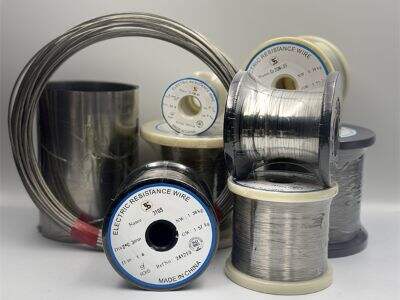
It is important to choose the correct resistance wire, particularly with temperature. Resistance wire is employed in a variety of heating applications, and each type follows a specific heat-treatment process. Select the wrong type and it could break, melt, or not operate as intended. This piece will teach you how to select the proper resistance wire given the temperature you want to reach. We’ll discuss where to buy quality resistance wire as well as some of the problems often encountered by those who use it and ways to avoid them. We at TS Heating Alloy would like to assist you in finding the material that is right for you
When you are searching for quality resistance wire, the last thing you need is to have to worry about where to find it
A good place to begin is TS Heating Alloy. We have a selection of threads to use for your RBA’s. Every material comes with temperature limitations, so understanding what yours entails is key. You can purchase resistance wire from specialty electrical stores, online retail or as a manufacturer like us. Just make sure to read the reviews and ratings before purchasing so you have an idea of what to expect with your order. It also helps to consult experts or read guides that can explain the type of wire you need for your project. If your application requires extremely high temperature resistance, seek out wires that can handle those hot levels. Some wires can hold up to 1,200 degrees Fahrenheit and some even more. Keep in mind to inquire about the temperature rating of the wire before you buy it
Even with the best resistance wire money can buy you can still have issues. One common issue is overheating. The wire can break or start a fire if it gets hot enough. You can prevent this by ensuring you never exceed the amount of power that the wire in currently carrying. Just make it match the wire's capacity. Another issue is corrosion, which can occur when a wire is exposed to moisture or chemicals. To avoid this problem use wires that are covered or treated in such a way to fend off these factors. You should also make sure the connections are nice and tight. Loose connections can have resistance that makes the wire become hotter than it should. Should you ever see your wire getting hotter than normal, check the whole works! We can take preventative measures to catch these problems before they cause damage. Here at TS Heating Alloy, we suggest maintaining a watchful eye on your heating appliances
How to Make the Best Selection
Selecting the correct resistance wire is important, particularly in projects involving heat. Resistance wire ohmic heating is found in many of our everyday items such as toasters, hair dryers and even on some machines. We understand that not all wires are created equal here at TS Heating Alloy. The key to making the right choice is first of all to understand what temperatures you require. Every wire can bring a different amount of heat. For instance, if you need a wire that gets very hot, you might opt for something fabricated from materials such as nickel or chromium. These substances are able to hold up under high temperatures without decomposition. By contrast, if your project doesn’t need a lot of heat, you might get by with wire made from aluminum or copper because it is cheaper
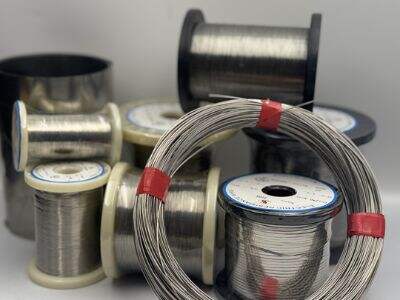
The length and thickness of the wire is next to be considered. A longer wire, or a thinner one, can become hotter than a shorter or thicker one. This is because the electricity must travel a longer distance or squeeze through a narrower space, generating more heat. In other words, if you are working on a project where the wire needs to be long, you might need to use thicker wire in order for it not to overheat. And remember to factor in the amount of electricity you’ll be using. Higher power means higher heat, so additionally-MacGyvered wire that can stand the increased heat. Tuning and selection TS heating alloy has a variety of choices, our team can help you choose the right one for your applications! Don’t forget: interviewing and researching all of your options is crucial before making a final decision. That way, you will always know that you are receiving the proper resistance wire for your job
What Affects the Temperature Ratings of Wholesale Resistance Wire
When selecting resistance wire, there are a number of things that come into play with how well it can cope with heat. One major factor is the material from which the wire is made. Various materials have varying melting points and heat limits. Nickel-chromium alloy is often used, for example, because it can withstand high temperatures without becoming weaker. Other wires, however, may be composed of materials that don’t stress under heat as well. This means they can melt or snap if they overheat. The wire diameter (thickness) also contributes in overall ' stiffness'. Thicker wires often have higher temperature ratings, because they can carry more current without overheating. If you’re a builder (for a project) who is purchasing volume of an item, consider if you need heavier wires for high-heat applications or if thinner wires could do the job at lower temperatures
The application of the wire also makes a difference. If the wire will live in an incredibly wet or chemically corroded area, it might require added safeguards. Certain wires get a coating of special materials to make them last longer in harsh conditions. Furthermore, how the wire is used determines its temperature rating. If a wire is switched quickly on and off, though, it can heat up and cool down more rapidly than the irons themselves — effectively cupping there hands to the wire again and again. On the flip side, if it operates at a uniform temperature it could last longer. At TS Heating Alloy, we are aware of these considerations, and can assist you in selecting the appropriate resistance wire which best meets your temperature requirements and working conditions. Do remember to think about these points when choosing, it’s even more important when purchasing resistance wire in bulk
QUALITY AND STRENGTH IN RESISTANCE WIRE FOR ALL TEMPERATURE REQUIREMENTS
Ensuring you get high-quality resistance wire — especially for varying temperature requirements – requires a few specific things to look for. First of all make sure to always refer to the manufacturer specifications. A reputable company such as TS Heating Alloy will tell you explicitly what their wires are able to handle. This involves information like maximum temperature and the material type. Be sure to purchase from a trusted source. Good manufacturers conduct performance tests on their wires to ensure they can withstand heat and use appropriate materials. Such tests are designed to help guarantee that the wires live longer and work
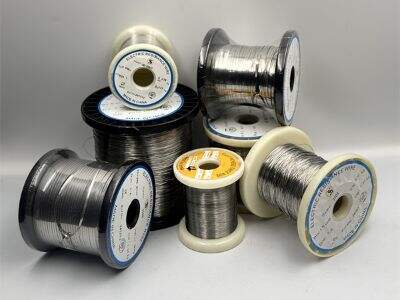
One more thing to determine the quality is if there is any customer reviews or recommendations. After all, if fellow painters have had success with a certain wire, you likely will as well. Also consider the insulation applied to the wire. Excellent insulation will protect the wire from damage and may be safer to use. Strong insulation can help the wire last longer in hot situations. And finally, take into account what the wire will be used for. If you will be using it in extremely hot or cold conditions, select a wire that is rated for those temperatures. TS Heating Alloy has multiple possibilities for you to find the perfect option for your project. Quality and Long-lasting Always select quality over all else, as you want your resistance wire in good shape and holding up under high temperatures