 EN
EN

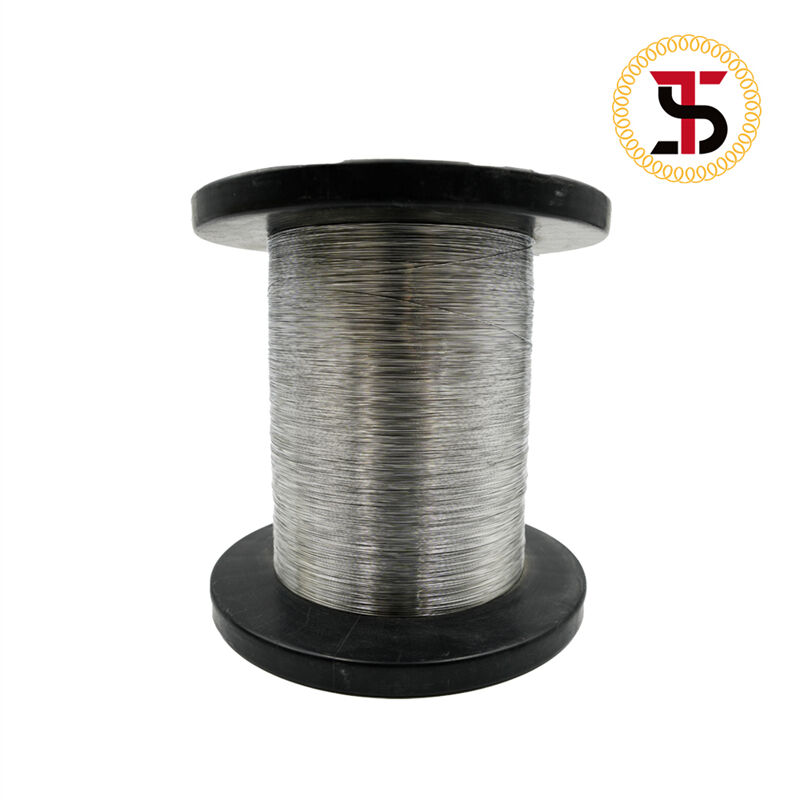
Among the things people don’t always notice or think about when discussing heating wires is the gauge of a wire. Wire gauge refers to how thick or thin the wire is. This thickness can alter the performance, longevity and safety of the heating wire. At TS Heating Alloy, we understand choosing the right wire gauge isn’t just about size; it’s about ensuring your heating wire gets the job done exactly how you need it. Thinner wire can heat up faster but burn out more quickly. A thicker wire may be more durable, but it takes more energy to heat up. Understanding how wire gauge impacts performance enables us to design better heating wires that serve various requirements, whether we are making big machines or small devices.
What Is The Best Wire Gauge For Wholesale Heating Wire Suppliers?
The selection of appropriate wire gauge for industrial heating wire is thus difficult but critical for wholesale suppliers such as TS Heating Alloy. A wire that is too thin may become hot in a short time, but it may break or burn out sooner. Thin wires have more resistance, tend to slow down the electric current and turn more energy into heat. But the thicker the wire, while it may last longer and will be sturdier, it also doesn’t get as hot or as warm because a thick wire has less resistance. Wholesale providers must consider what their customers want. Like, if you’re looking to have a small heating pad, the wire for that should be thinner so it heats up quickly,” he said. But the heating wire in large industrial ovens must be thicker to have a long life and bear high power safely. We always weigh these factors at TS Heating Alloy. When we select wire gauges to match power and heat, the wire will do its work without excessively compromising in strength or wasting energy. This decision also influences both the amount we charge and how easy we can make the wires in large quantities. Thinner wire costs less but may require replacement more often. Thicker wire is more expensive, but it is cheaper in the long run because it lasts longer. We also sometimes think about how the wire will be formed or bent since really thin wires can break when they are bent too much. The perfect wire gauge is a balance between strength, heat and cost as well what the wire is used for. Our experience reveals that by being mindful about these very details, it enables us to bring heating wires that keep customers happy and machines reliable.
How to Select Best Wire Gauge for The Heating Wire Work?
When selecting a heating wire, it’s more than just a number to choose from. At TS Heating Alloy, we consider a lot before deciding. First we must decide how much heat the wire needs to generate. If the wire needs to be heated quite hot in a hurry, a thinner gauge might be desirable. But if the wire is going to need to remain strong for a long time and withstand heavy use, a thicker gauge is safer. Second, the material that the wire is made of makes a difference. Various metals have varying resistance and melting points so wire gauge and material should be matched. For instance, a nickel-chromium wire might require a different thickness than a stainless-steel wire to achieve the same heat. The power supply is something we also consider. A wire that operates on low voltage requires a different gauge than a wire that is based on high voltage. The wire length also matters. A long length of wire means resistance, and too much resistance can lead to power loss; certain wires are simply better than others for reducing power loss in long runs. Occasionally, the environment where the wire will be installed is overlooked. If the wire happens to be located in a high vibration or bending scenario, we prefer thicker or a more flexible range of wire gauges to ensure it’s not compromised. We couple all of that with real experience at TS Heating Alloy. We test the wires in actual conditions before we make our gauge recommendations. This mechanism can prevent issues like wires burning out too quickly or not heating hot enough. Selecting the proper wire gauge is, however, a delicate tightrope walk. It’s about making heating wires that perform well, last long and remain safe. This level of precision shows why TS Heating Alloy’s heating wires are quality that you can trust.
How Is the Wire Diameter Affect Heating Wire Consumption?
When we discuss heating wires, the diameter of wire is very important and therefore so is the size, or "gauge" of the wire. Wire gauge refers to the thickness or thinness of the wire. The smaller the gauge number, the thicker the wire; the larger the gauge number, the thinner the wire. This size can impact how much energy the heating wire needs to produce heat.
Thicker wires (those with lower gauge numbers) have a lower resistance. Resistence is kind of like an obstruction that slows down electricity. When resistance is small, electric current travels effortlessly and wire heats up in a controlled manner. This indicates that the wire is power efficient and does not lose significant amount of energy. Conversely, a thinner wire (higher gauge) has more resistance. That is, electricity can flow through it more sluggishly and the wire may be quicker to get hotter (although possibly require more current in order to do so).
At TS Heating Alloy, we know that a right wire size can reduce power needed. If a wire is too thin for the task, it may have to pull more electricity to get up to the heat required, which wastes power and can cause the wire to burn out more quickly. If it’s too thick, the wire may draw less power but be costlier and more difficult to handle. So, it's crucial to strike the right balance.
The appropriate wire gauge aids to ensure the heating wire can work safely as well save energy. The heating wire lasts longer because it does not overheat or fray. For those who wish to save on electricity bills, the choice of gauge is a wise option. Wire will always assist customers in determining the suitable wire dimension for their thermal spraying requirement, and the wires function properly to maximize productivity as well as saving energy.
Choosing The Size Of Wire For Heating Wire - Common Problems And How To Avoid Them
The thickness of the wire for heating wires to use can be difficult to choose. A lot of mistakes can be made and they can lead to things like wires overheating, breaking or not functioning well. At TS Heating Alloy, we'll show you how to prevent these common problems from occurring in your heating wire so it can perform safely and effectively for years.
A frequent mistake is to choose a wire too small for your heating load. The thin wire would have high resistance and too high a temperature, breaking or burning the wire. This can be a fire or heating system damage risk. To circumvent that, one should always check how much power and heat your wire gauge can handle. TS Heating Alloy offers clear guidelines and expert advice to help you determine the best thickness.
The other common mistake is that the wires are too thick. Fat wires are less resistant in nature, and so they might not heat up enough to be particularly effective. They can also be pricier and more difficult to bend or install. Also, because the use of thick wires present the risk of material waste this adds additional costs as well as weight to the system. To avoid this, measure your heating needs and select a wire gauge that corresponds to the amount of power you want.
There's just the minor issue that people tend to forget how long the wire is. This is necessary because when electricity moves from one place to another, it loses energy as heat. If you use a wire too thin for the distance, it may not heat properly or it could leak energy. The HS6 wire is made of Nickel, and has high resistance as expected due to its very fine gauge. TS Heating Alloy would like to remind its customers that the length of wire must also be taken into consideration when choosing a gauge.
Knowing your heating system’s requirement is essential to select the appropriate wire gauge in order to prevent any hassle or risk of fire. TS Heating Alloy provide service and advice to make this simple – so your heating wires can work safely and effectively.
How Buyers at Wholesale Can Use Wire Gauge Differences to Their Advantage
Understanding the different gauges of wire wholesale buyers who buy heating wires in bulk can take advantage of many things. At TS Heating Alloy, we feel that knowing more about wire gauge can assist buyers in making more wise decisions that lead to savings & better business.
For one, understanding the correct wire gauge can guide a wholesale purchaser to make better choices for their customers. If meanwhile buyers only choose wires based on price and size, without taking into account the gauge, they may end up selling a stock that ducts poorly or breaks easily. But they can choose heating wires that are safer, more efficient and last longer if they understand wire gauge. That makes customers happy and builds trust in the buyer’s business.
Second, knowing wire gauge allows wholesale customers to more easily control their costs. Thicker wires are more expensive (they require more metal) but last longer and use power more efficiently. Thinner wires are cheaper but may have to be replaced more frequently. Thanks to this knowledge, buyers can determine which wire gauge works best for various purposes. When you are a wholesale buyer, we at TS Heating Alloy will help you out by presenting to you all available wire gauges with plain descriptions that would let you match up products to the requirements of your clients.
Third: wholesale customers who understand wire gauge minimize mistakes and returns. And when shoppers know the differences, they don’t have to re-buy their wires. This can save time and money that you would have to spend fixing something or returning the wrong item. TS Heating Alloy also help in this area by offering technical advice and product information to take the mystery out of ordering.
Lastly, wholesale customers can boost their credibility by passing on specialist knowledge to their own clients. Order! Buyers provide feedback on wire gauge, and customer gets into the mood for buying. This generates referrals and repeat business. TS Heating Alloy maintains wholesaler customers to promote growth through knowledge and quality products.
wholesale customers that educate themselves about wire gauge variances can make better purchasing decisions, save money, minimize issues that can arise, and grow their businesses stronger. With good products and professional service, TS Heating Alloy is dedicated to be a customer’s 24/7 stainless steel heating wire supplier.
Table of Contents
- What Is The Best Wire Gauge For Wholesale Heating Wire Suppliers?
- How to Select Best Wire Gauge for The Heating Wire Work?
- How Is the Wire Diameter Affect Heating Wire Consumption?
- Choosing The Size Of Wire For Heating Wire - Common Problems And How To Avoid Them
- How Buyers at Wholesale Can Use Wire Gauge Differences to Their Advantage